


In today’s NFL, headlines don’t stop at the final whistle—they evolve, expand, and sometimes completely shift away from football altogether. That’s exactly what happened when photos surfaced showing Mike Vrabel and Dianna Russini together at a luxury resort in Sedona, Arizona.
What might have once been dismissed as a private moment quickly turned into a national conversation. The images—showing the two appearing relaxed, close, and comfortable—spread across social media at lightning speed. Within hours, the NFL world wasn’t talking about offseason moves, roster construction, or contract negotiations. Instead, it was focused on something much more complex: perception, access, and the invisible business behind sports media relationships.
Both Vrabel and Russini addressed the situation publicly, pushing back against speculation and insisting the interaction was innocent and misrepresented. But in a digital ecosystem driven by viral moments and narrative-building, the explanation often arrives too late. By then, the story has already taken on a life of its own.
And that’s where this becomes more than just a viral moment—it becomes a case study in how sports, media, and business collide in real time.
🔍 Key Facts or Breaking News Details
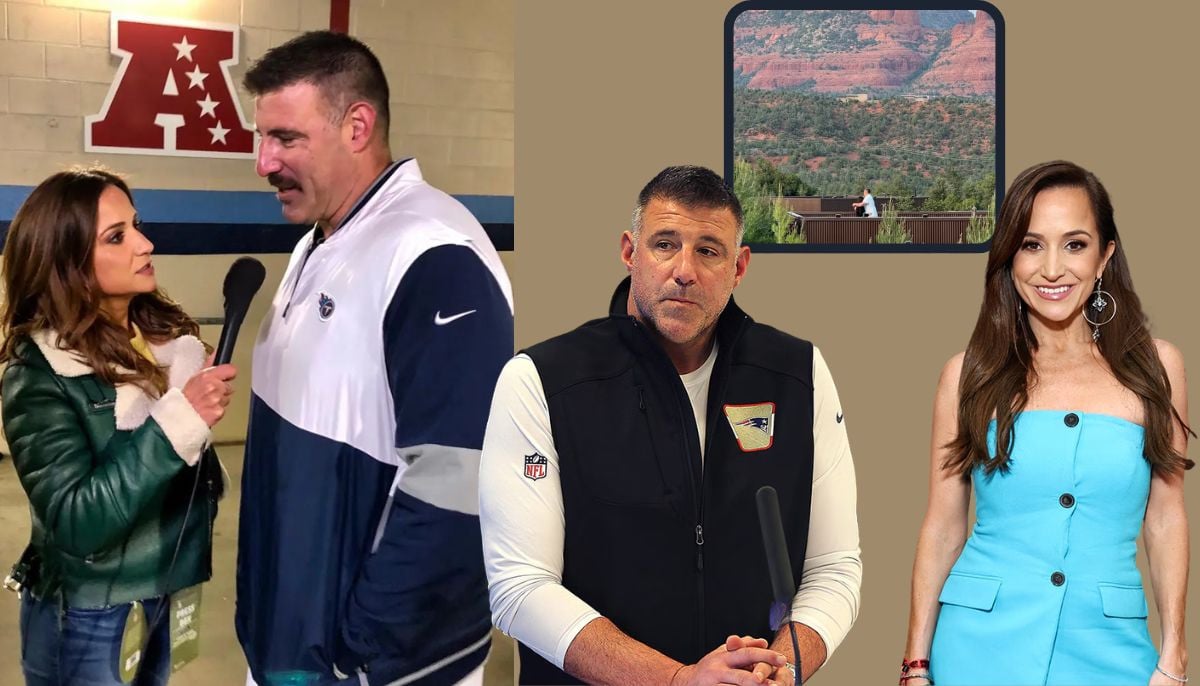
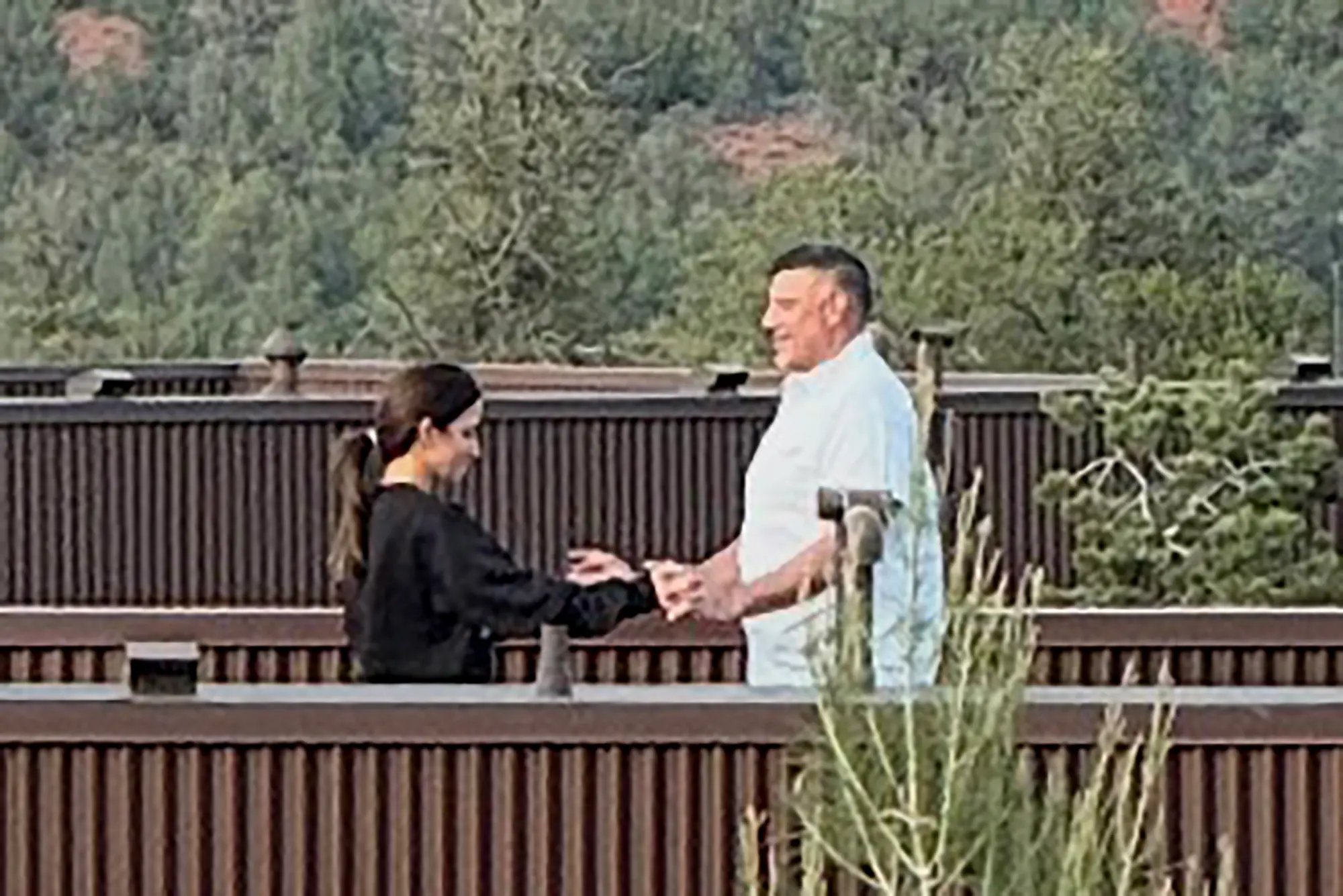
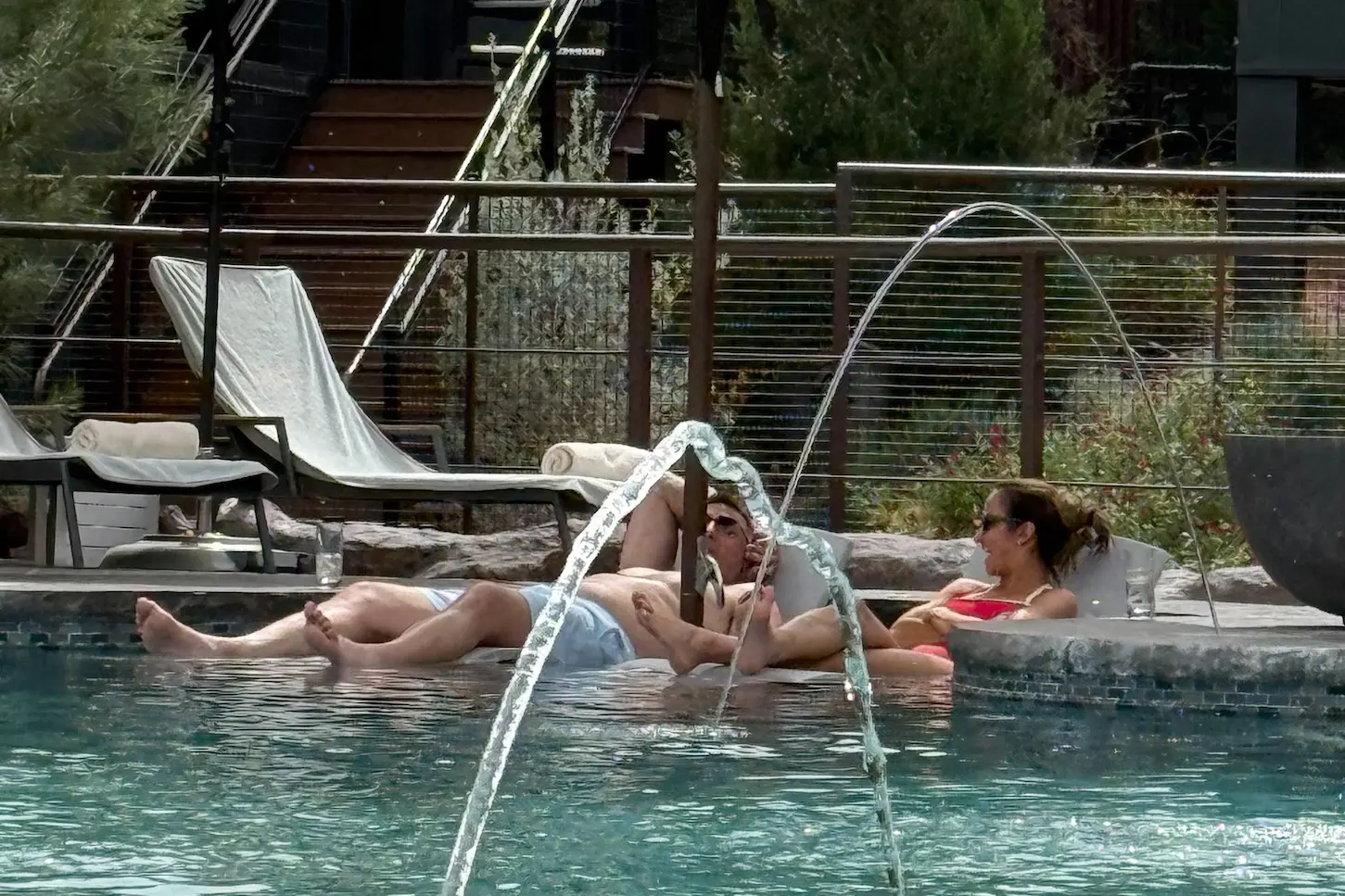
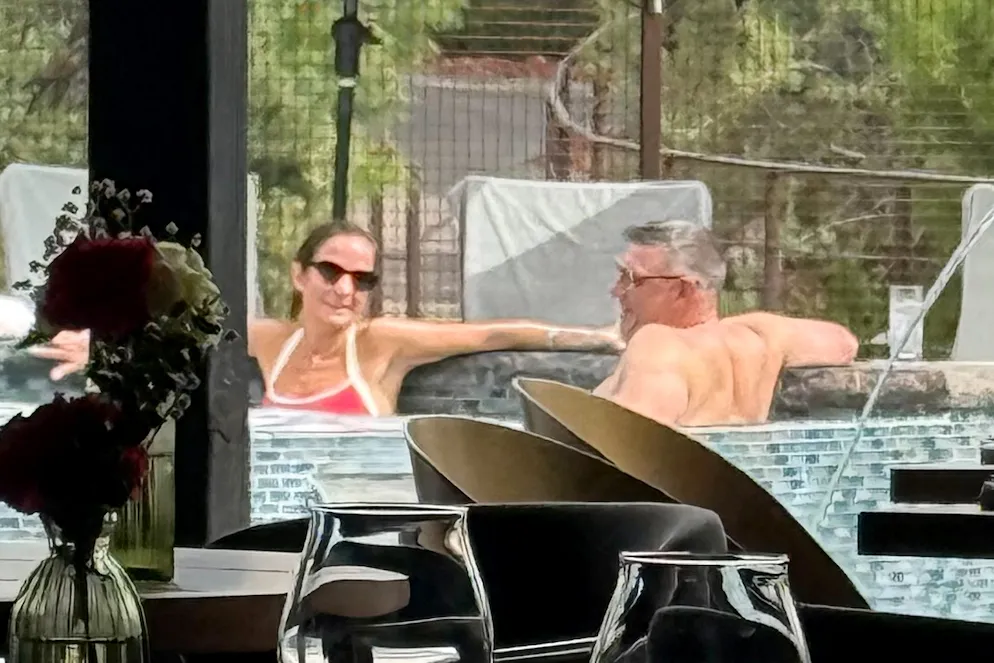

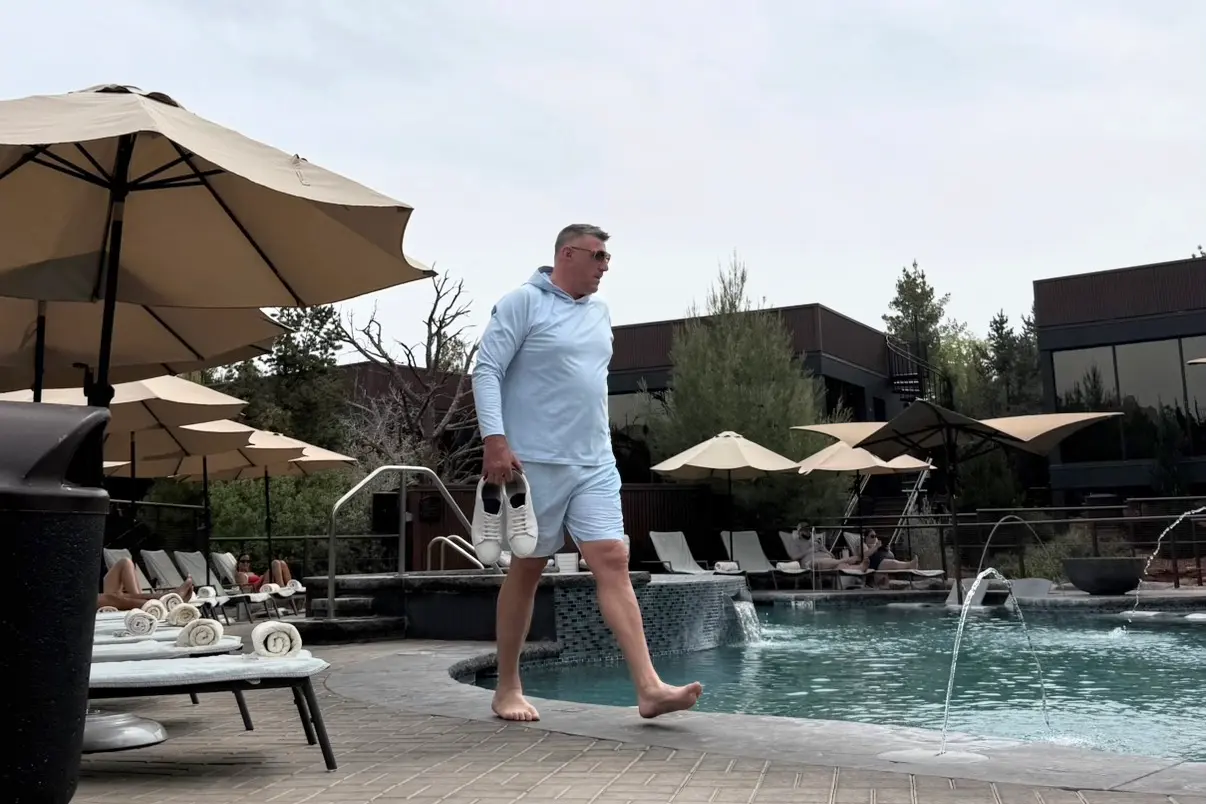
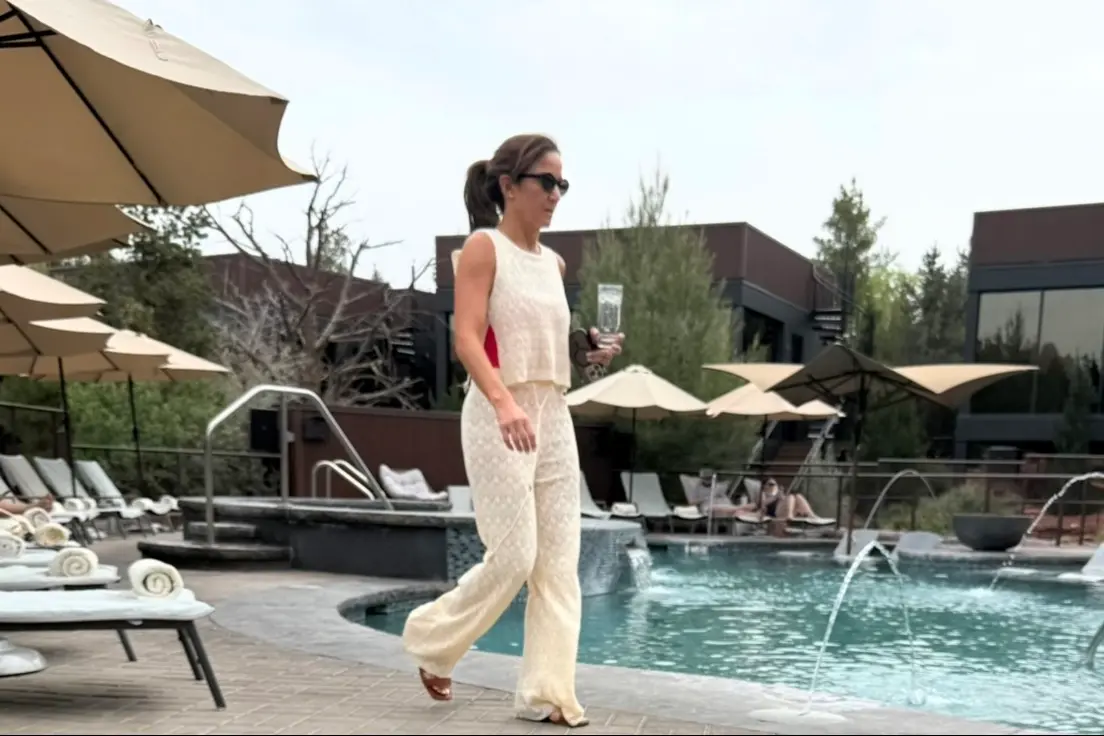
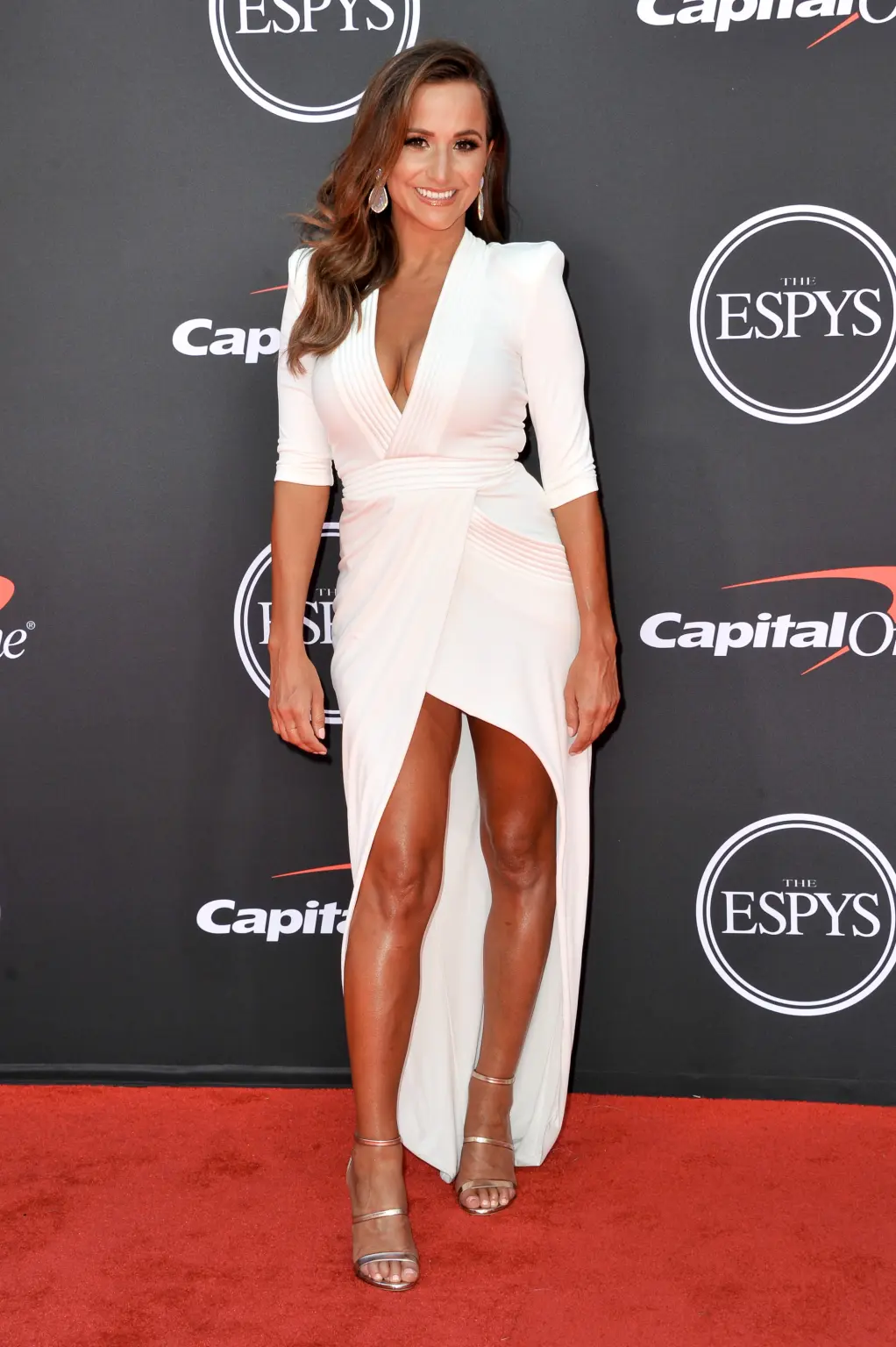
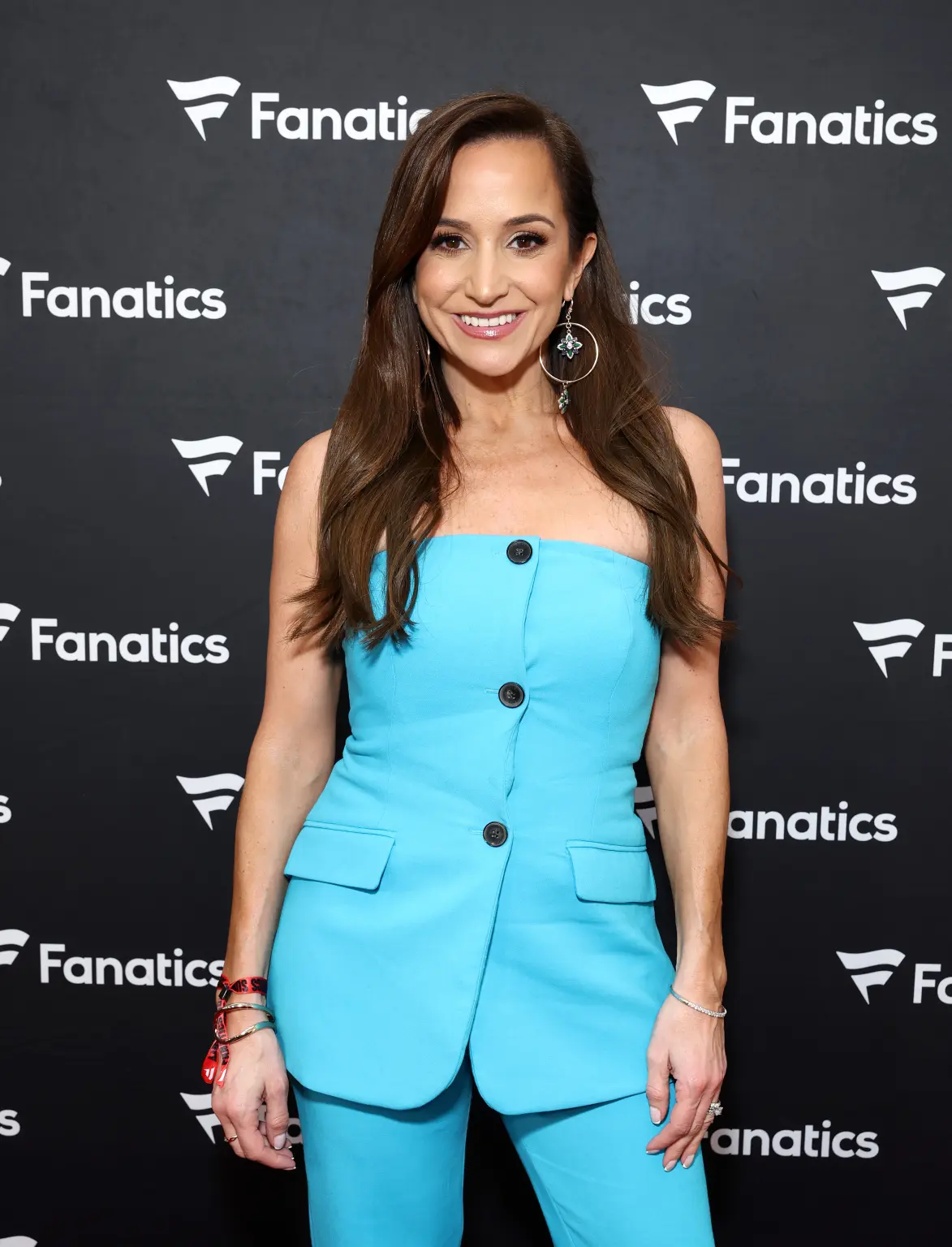
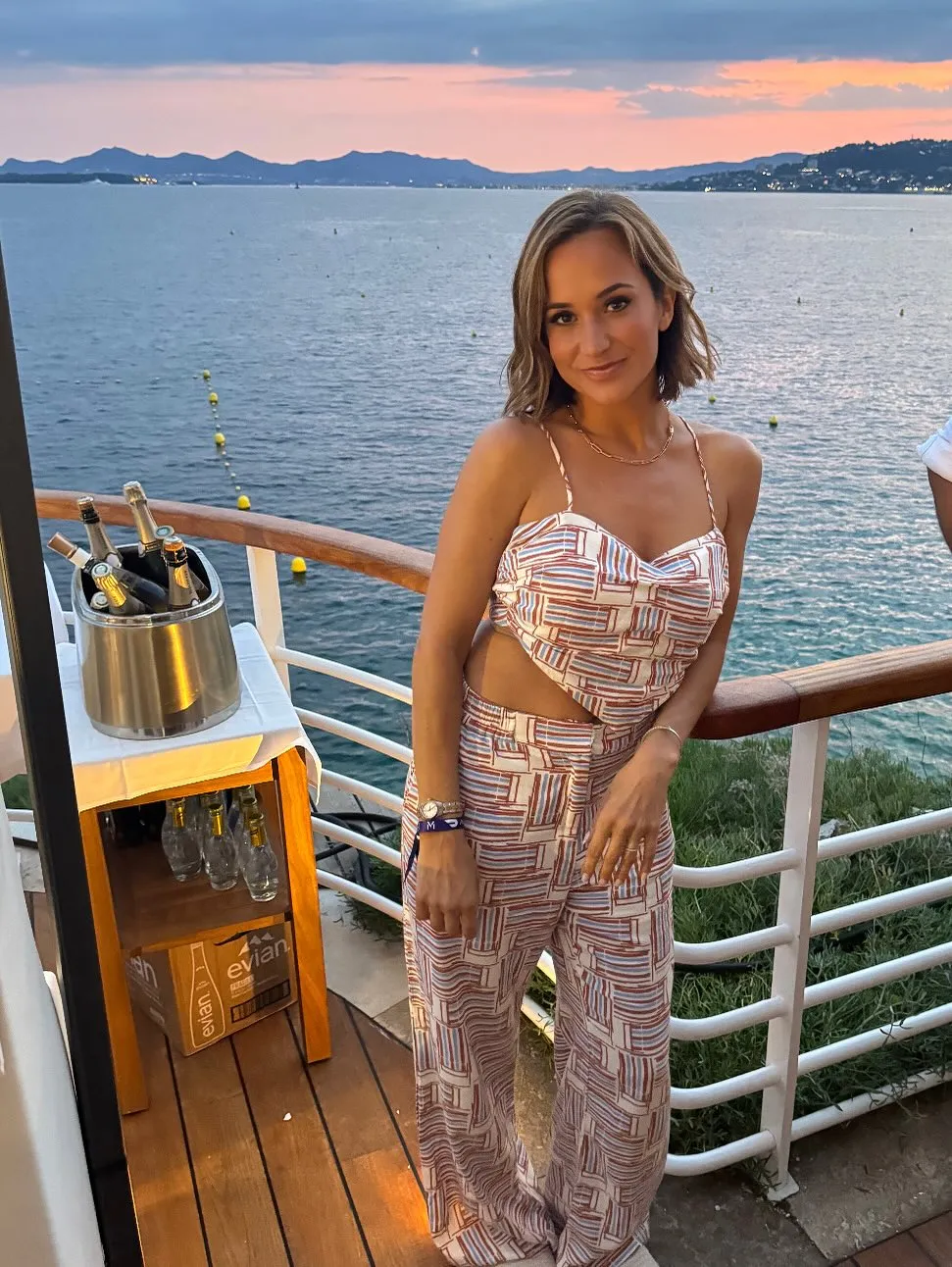
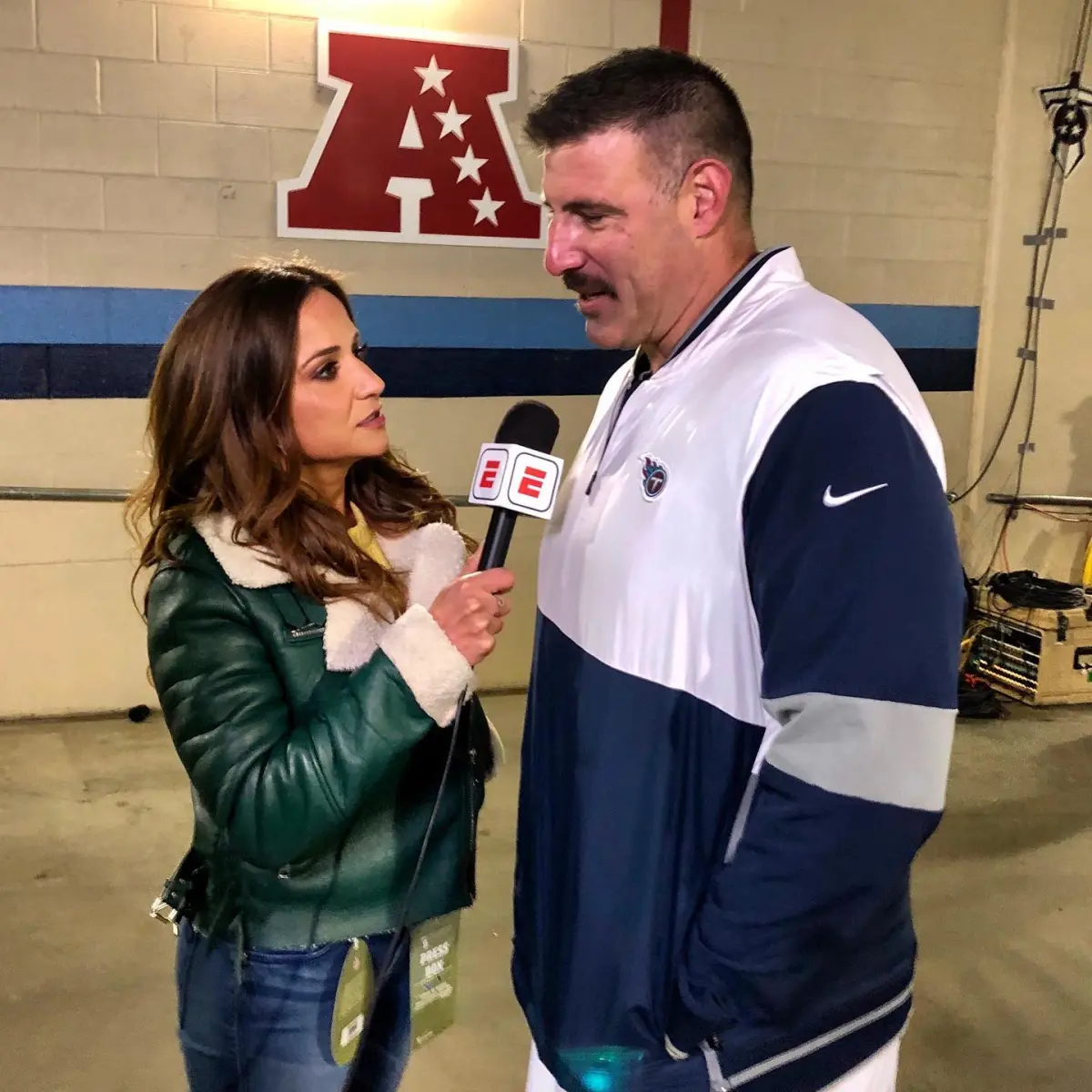
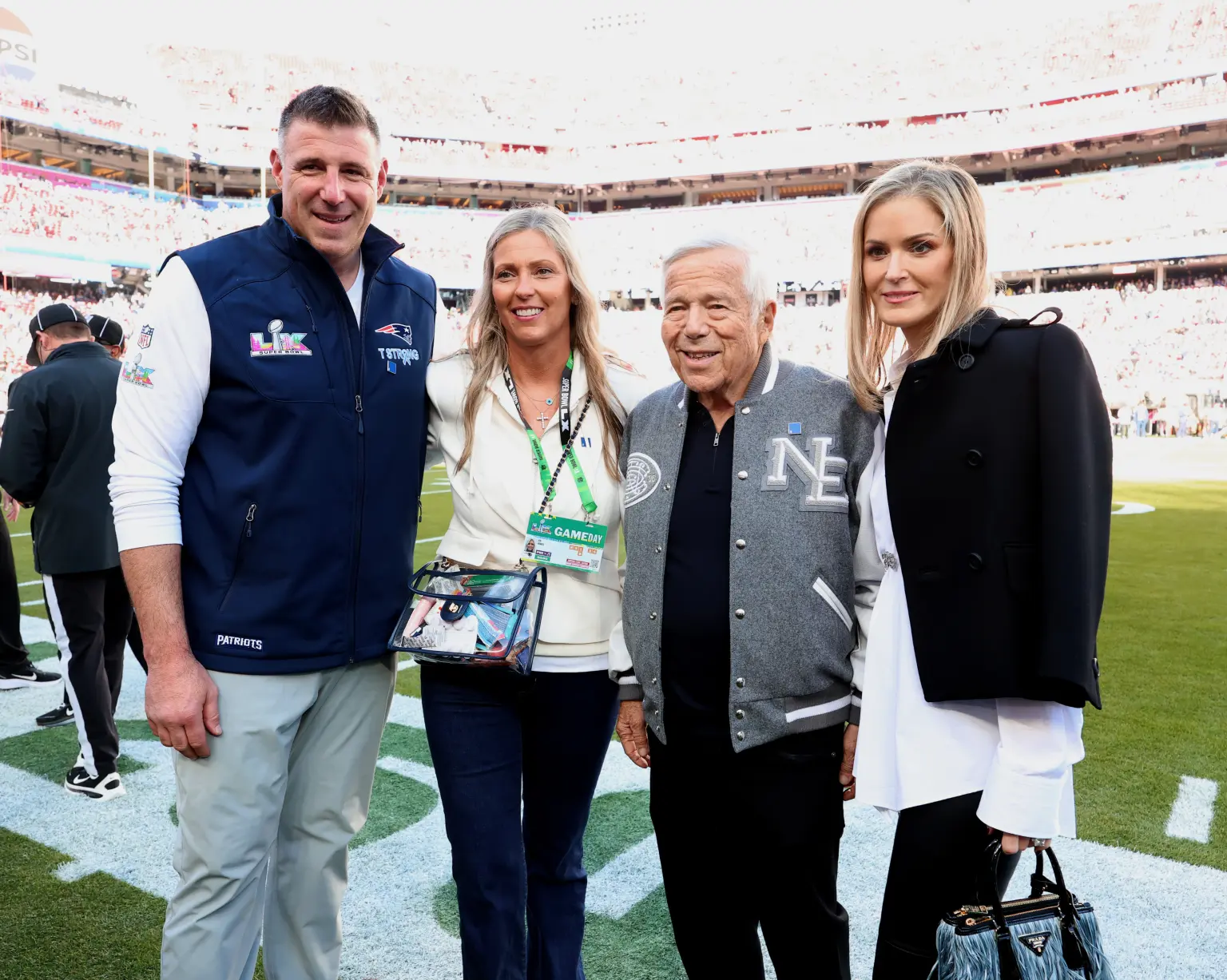
The situation began when images emerged online showing Vrabel and Russini together at what was described as a luxury resort setting. Reports indicated that the two were seen:
- Holding hands
- Relaxing poolside
- Hugging
- Dancing on a rooftop area
Those details immediately caught attention—not just because of the individuals involved, but because of their roles within the NFL ecosystem.
Vrabel, now head coach of the New England Patriots, is one of the league’s most respected figures. Russini, a top insider, is known for her access to high-level information across the league.
When those two worlds intersect visually, it creates questions—fair or not.
The Responses
Vrabel addressed the situation quickly, dismissing the narrative:
“These photos show a completely innocent interaction and any suggestion otherwise is laughable.”
Russini followed with her own explanation, stating that the images lacked context and that they were part of a larger group outing.
Her employer, The Athletic, supported her publicly, reinforcing that the photos did not accurately represent the full situation.
The Public Reaction
Despite those responses, the reaction online didn’t slow down. In fact, it intensified.
- Social media turned the photos into memes
- Sports talk shows debated professionalism
- Fans questioned media relationships
- Others dismissed it as overblown
And that’s when the story crossed a line—from news into culture.
Because once the public starts debating intent, the facts almost become secondary.
💸 Money Angle / Wealth Perspective
This is where Distinct Athlete separates from everyone else.
Because this isn’t just about optics—it’s about economics.
The Business of Access
In modern sports media, access is everything.
Reporters like Russini don’t just report—they compete for information. And that competition is driven by:
- Relationships with coaches
- Relationships with front offices
- Trust within locker rooms
- Insider credibility
That access translates directly into money.
We’re talking about:
- Six-figure to seven-figure media salaries
- Contract negotiations with platforms like ESPN and The Athletic
- Brand partnerships and appearances
- Personal brand monetization (social media, podcasts, speaking)
Now flip it to the coaching side.
The Value of a Head Coach
Vrabel’s role isn’t just strategic—it’s financial.
As head coach of a franchise like the Patriots:
- He influences roster decisions
- Impacts team performance (which drives revenue)
- Represents the organization publicly
- Holds significant internal power
NFL franchises are worth billions. Coaches sit at the center of that ecosystem.
Where It Gets Interesting
When a top insider and a head coach are seen together outside a formal setting, it raises one key question:
👉 Does access influence information flow?
Even if the answer is no, the perception alone can affect:
- Audience trust
- Media credibility
- Reporting interpretation
- Brand value
And in the sports media business:
👉 Trust = monetization
If trust dips, engagement dips.
If engagement dips, revenue dips.
That’s why this moment matters far beyond the photos themselves.
📈 Career or Performance Background


Mike Vrabel’s Rise
Mike Vrabel’s journey to becoming a head coach is rooted in football credibility.
- Former NFL linebacker
- Played under Bill Belichick
- Known for toughness, discipline, and leadership
- Became Tennessee Titans head coach
- Later took over the Patriots
Vrabel built his reputation as a coach who commands respect. Players respond to him. Executives trust him. Fans recognize him as a serious football mind.
That reputation is part of his brand.
Dianna Russini’s Evolution
Russini’s career is a blueprint for modern sports media success.
- Started in local markets
- Rose through ESPN ranks
- Built a reputation for breaking news
- Transitioned to The Athletic
- Became one of the NFL’s most recognizable insiders
Her strength isn’t just reporting—it’s access.
And access, in today’s media economy, is a premium asset.
🌟 Brand, Influence & Culture Impact
What made this story explode wasn’t the photos—it was what they represented.
The Meme Economy
Within hours, the internet did what it always does:
- Turned moments into jokes
- Turned jokes into trends
- Turned trends into conversations
The now-famous “hand-holding” image became symbolic of something bigger.
Not scandal.
Not necessarily wrongdoing.
But visibility.
The Culture Shift
In the past, relationships between reporters and sources were mostly invisible.
Now?
Everything is visible.
- Cameras are everywhere
- Social media amplifies everything
- Fans analyze everything
That creates a new reality:
👉 Privacy is limited, but perception is amplified
The Debate
This situation triggered two sides:
Side 1:
“This is overblown. People are allowed to have lives.”
Side 2:
“This raises questions about objectivity and access.”
Both can be true.
But the fact that the debate exists is the real story.
📌 The Distinct Athlete Angle
Here’s the real takeaway:
👉 This is a perception economy.
In sports today:
- Athletes build brands
- Coaches build brands
- Reporters build brands
And brands are judged constantly.
Not just by results—but by optics.
The Reality
- A photo can shape a narrative
- A narrative can shape perception
- Perception can shape value
And value is what drives everything:
- Contracts
- Endorsements
- Opportunities
This moment wasn’t about what happened.
It was about how it looked.
And in 2026, how it looks can be more powerful than what it is.
🔗 Related Reads on Distinct Athlete
- DAK PRESCOTT CUSTODY BATTLE TURNS AMICABLE
- NEW YORK GIANTS FIRED BRIAN DABOLL AFTER 20-40-1 RECORD
- DISNEY VS. YOUTUBE TV FEUD BLACKOUTS CARDINALS-COWBOYS MNF
- ADRIAN PETERSON ARRESTED ON DWI AND GUN CHARGES IN TEXAS
💬 Join the Conversation
This situation sits right at the intersection of sports, media, and business.
So what do you think?
Is this:
- A harmless moment blown out of proportion?
- Or a legitimate example of blurred lines between media and access?
And more importantly:
👉 Does perception matter more than reality in today’s sports world?
Let’s talk.
