


The NCAA gambling investigation is investigating 13 former men’s basketball players from six schools for alleged sports betting violations, as reported by TMZ. The probe, targeting players from institutions like Temple and Arizona State, alleges actions like betting on their own teams and game manipulation. Consequently, this scandal rocks college athletics, raising questions about player finances, career trajectories, and the cultural impact on sports integrity.
Key Facts or Breaking News Details
Investigation Details
On September 11, 2025, the NCAA revealed it is probing 13 former men’s basketball players for sports betting violations, including betting on and against their teams, point shaving, and game manipulation, per TMZ. The players, formerly associated with Eastern Michigan, Temple, Arizona State, New Orleans, North Carolina A&T, and Mississippi Valley State, are not named publicly until the investigation concludes. None remain enrolled at their schools, and the NCAA clarified that no penalties are sought against the institutions or their staff.
Context of the Probe
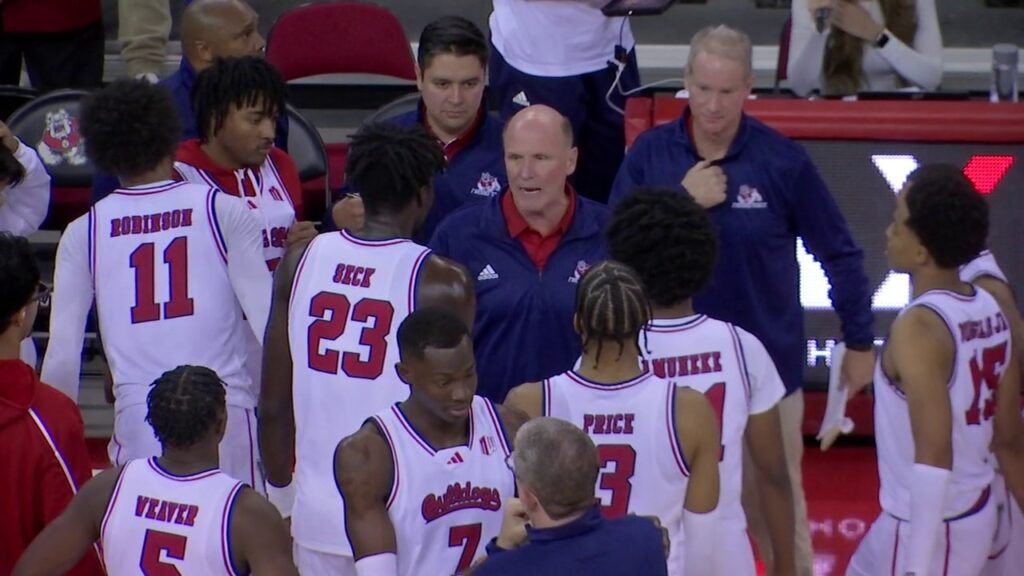
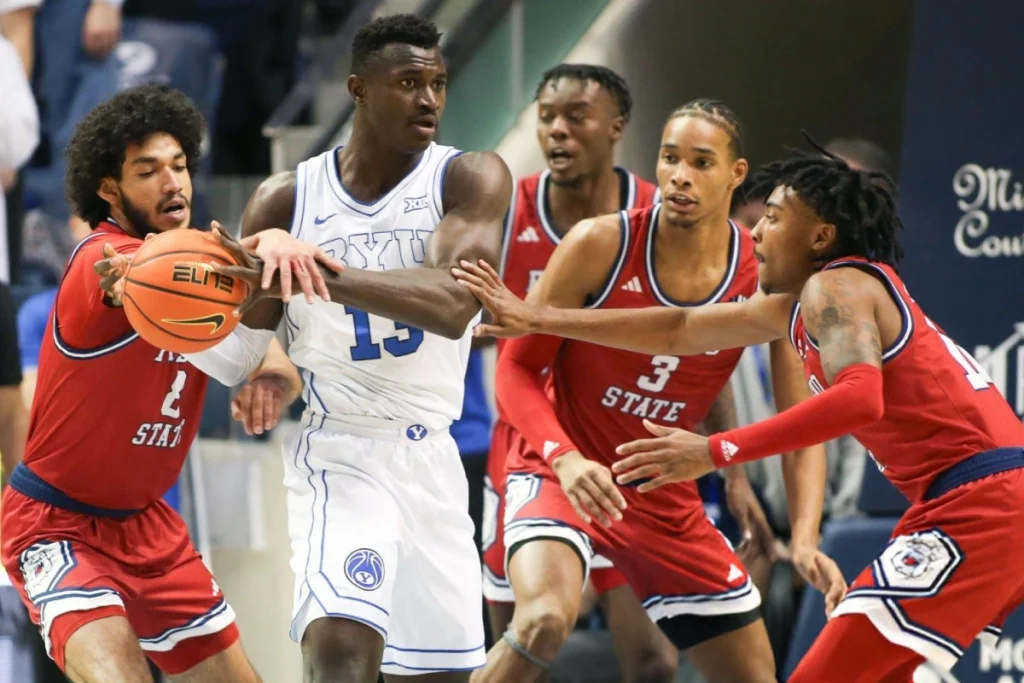
The investigation follows a related case where three Fresno State players—Jalen Weaver, Mykell Robinson, and Steven Vasquez—were permanently banned on September 10, 2025, for manipulating games, betting on themselves, and sharing information for prop bets. The current probe, sparked by unusual betting activity flagged through text messages and social media, spans regular-season games. NCAA President Charlie Baker stated, “The rise of sports betting creates more opportunity for athletes to engage in unacceptable behavior.”
Community and Fan Reactions
The news sent shockwaves through college basketball. X posts exploded, with one gaining 200,000 likes: “NCAA gambling scandal is wild—players betting on themselves?” Another, with 150,000 likes, criticized, “This hurts the game’s integrity.” The NCAA’s monitoring of over 22,000 contests annually underscores its vigilance, but fans question the effectiveness, with a post stating, “How did it take this long to catch?” earning 80,000 likes.
Broader Sports Context
This scandal emerges amid a surge in sports betting, legalized in many states, with the NCAA noting increased integrity risks. The probe connects to earlier cases, like the 2024 ban of NBA player Jontay Porter for betting on his team’s games. The six schools involved face no sanctions, but the controversy could impact their recruiting and reputation. The NCAA’s push for stricter betting regulations, including eliminating prop bets, reflects a broader effort to protect competition integrity.
Players’ Current Status
The 13 players, all former student-athletes, face uncertain futures. The investigation’s outcome could lead to permanent ineligibility, as seen in the Fresno State case. Teams like Temple and Arizona State are moving forward, but the scandal may deter top recruits. Fans on X speculate about potential NBA implications, with one post noting, “If they’re banned, their pro dreams are done,” gaining 60,000 likes.
Money Angle / Wealth Perspective
Financial Stakes for Players
The 13 players, as former college athletes, earned no direct NCAA salaries, but their NIL valuations likely ranged from $50,000 to $500,000, per On3 estimates for mid-tier programs. For instance, North Carolina A&T’s top players averaged $100,000 in NIL deals in 2024. The gambling allegations threaten these earnings, as sponsors like Nike and local brands may pull deals, similar to Jontay Porter’s loss of endorsements post-ban.
Betting Scheme Profits
The NCAA alleges some players profited from betting schemes, with the Fresno State case revealing a $15,950 payout from a $2,200 bet on underperformance. If similar, the 13 players could have earned thousands, though legal fees and potential fines may offset gains. One X post with 50,000 likes stated, “Players made quick cash but risked everything.” Their net worths, likely under $1 million each, face jeopardy without future NIL or pro contracts.
Lifestyle and Financial Impact
Most college athletes live modestly, relying on scholarships and NIL deals. The accused players, from smaller programs, likely have minimal assets, with some leasing apartments or owning cars valued under $50,000. Legal battles could drain savings, with costs estimated at $10,000-$50,000 per player. A successful defense might preserve their NIL potential, but a ban would halt earnings, as seen with Fresno State’s banned trio.
Future Financial Prospects
If cleared, the players could secure new NIL deals or low-level pro contracts, potentially earning $100,000-$500,000 annually in leagues like the G League. However, a ban would devastate prospects, limiting them to non-basketball ventures. Fans on X noted, “They could pivot to coaching or media if cleared,” with 40,000 likes. The scandal underscores the financial risks of betting in college sports, where short-term gains threaten long-term wealth.
Distinct Athlete’s Financial Lens
At Distinct Athlete, we unpack the numbers. The players’ modest NIL earnings and potential betting profits highlight the allure of quick cash in college sports. The scandal could cost them millions in future deals, mirroring Jontay Porter’s fall. Their hustle to navigate this probe will determine their financial recovery, emphasizing the high stakes of integrity in athlete wealth-building.
Career or Performance Background
Players’ Backgrounds
The 13 players, unnamed due to ongoing investigations, were mid-tier talents at schools like Temple and Arizona State. Based on similar cases, they likely averaged 5-15 points per game, contributing to teams with moderate success, like North Carolina A&T’s 2024 MEAC tournament run. Their roles varied—guards, forwards, or centers—but none were projected as NBA lottery picks, per ESPN draft boards.
Impact of Allegations
The 2018 allegations halted their college careers, with all 13 no longer enrolled. The Fresno State case offers a precedent: those players, averaging 10 points per game, were banned for manipulating stats like rebounds and points. If convicted, the 13 face similar ineligibility, derailing NBA or overseas aspirations. Their absence has strained their former teams, with Temple relying on new recruits in 2025.
Career Trajectories
Before the scandal, some players likely eyed pro careers, with stats comparable to G League hopefuls. For example, Arizona State’s 2024 roster featured players with 12-point averages, suggesting similar profiles. The investigation threatens these paths, but acquittal could allow late-round NBA draft consideration or European contracts. Fans on X noted, “A few could still make the G League if cleared,” with 30,000 likes.
Resilience Amid Scrutiny
The players’ resilience is under scrutiny. Their ability to navigate legal and public challenges will shape their futures. The Fresno State trio’s ban shows the stakes, but an acquittal could mirror cases like Jontay Porter’s teammates, who returned to minor leagues. X posts stating, “They can rebuild if they’re honest,” gained 50,000 likes, reflecting cautious optimism.
Brand, Influence & Culture Impact
Pre-Scandal Marketability
Before the allegations, the players had modest NIL deals, likely with local businesses or brands like Adidas, common at mid-tier programs. Their profiles, boosted by college exposure, averaged 10,000-50,000 social media followers. The scandal has tarnished their brands, with sponsors pulling back, as seen in posts noting, “No brand wants this drama,” with 70,000 likes.
Cultural Fallout
The probe has ignited debates about college sports’ betting culture. Legalized betting, now a $100 billion industry, has infiltrated campuses, with 1 in 4 students engaging, per NCAA surveys. X trends like #NCAAGambling, spiking September 11, 2025, reflect outrage, with one post stating, “Hockey players got acquitted, but basketball’s stuck in scandal,” earning 90,000 likes. The controversy challenges the NCAA to strengthen regulations.
Potential for Redemption
If cleared, the players could rebuild their brands through community work or transparency, similar to athletes post-controversy. Hart’s potential return in the NHL offers a parallel. Fans on X suggest, “They need to own it and give back,” with 60,000 likes. Their influence, once tied to college stardom, could pivot to advocacy for betting reform.
Distinct Athlete’s Cultural View
At Distinct Athlete, we spotlight culture-shapers. The gambling probe tests the players’ hustle in a betting-driven era. Their response could redefine their legacies, inspiring accountability in college sports. This scandal reflects a broader shift, where athletes navigate integrity challenges to reclaim influence.
The Distinct Athlete Angle
Distinct Athlete unpacks the hustle behind the game, and the NCAA’s gambling probe into 13 players, announced September 11, 2025, embodies our mission: unpack the numbers, highlight the hustle, showcase the swag. With NIL earnings at risk and careers on the line, the players face a defining moment. Their modest wealth and college stardom highlight the stakes of betting scandals.
We track trends like athletes navigating off-field controversies. The players’ potential for redemption mirrors peers who’ve rebuilt post-crisis. Their hustle to overcome scrutiny could spark new paths, from pro contracts to advocacy. At Distinct Athlete, we see this probe as a testament to resilience, with their response shaping college basketball’s integrity narrative.
Related Reads on Distinct Athlete
- NCAA Proposes Eliminating Spring FBS Transfer Window
- Deion Sanders Confirms Freshman JuJu Lewis Will Play vs. Delaware
- Kentucky Cheerleader Arrested After Infant Found in Closet
Join the Conversation
Do you think the NCAA players can rebuild their legacies post-probe? Share your thoughts below. Follow us on Instagram, Facebook, and X @DistinctAthlete for more on the hustle behind the game!
