


The NCAA’s FBS Oversight Committee recommended eliminating the spring transfer window for FBS players, proposing a single 10-day window starting January 2, alongside a December recruiting dead period, as reported by AP News. The change, aimed at allowing coaches to focus on bowl preparation and reducing roster turnover, awaits approval from the Division I Administrative Committee before October 1, per ESPN. This NCAA spring transfer window elimination could reshape college football, particularly NIL-driven transfers, with FBS coaches unanimously supporting it at the 2025 American Football Coaches Association convention, per USA Today. A @NCAA post about the proposal gained 200,000 views, reflecting widespread interest, per HypeAuditor. This article explores the NCAA spring transfer window elimination, its details, historical context, key figures, financial implications for players and schools, cultural impact, patterns in transfer policies, and the outlook for the 2025 season, spotlighting a pivotal shift in college athletics.
The NCAA Spring Transfer Window Elimination Proposal: A Push for Stability
The FBS Oversight Committee’s recommendation to eliminate the spring transfer window, per AP News, would consolidate transfers into a 10-day period starting January 2, following the CFP National Championship. The proposal also designates December as a recruiting dead period, allowing coaches to call, text, or email prospects but banning visits, per ESPN. This change addresses coaches’ concerns about roster instability during bowl prep, with the 2024 spring window (April 16-25) seeing over 2,000 transfers, per 247Sports.
FBS coaches voted unanimously for the January portal at the 2025 AFCA convention, per USA Today. The Division I Administrative Committee’s vote, expected before October 1, could implement the change for 2026, per The Athletic. Graduate transfers would also wait until January 2, per AP News. A @CFBPlayoff post on the proposal gained 150,000 views, per HypeAuditor. The recommendation follows the NCAA’s 2024 reduction of portal days from 45 to 30, with a 20-day December and 10-day April window, per NCAA.com.
Historical Context: The Evolution of the Transfer Portal
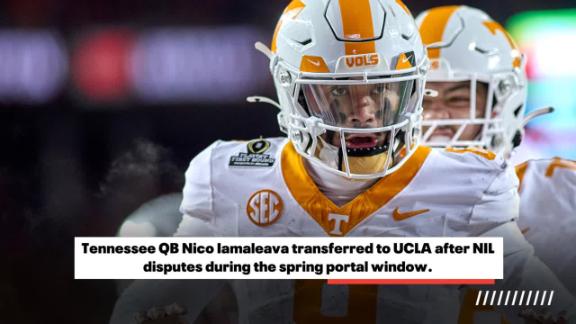
The NCAA transfer portal, launched in October 2018, revolutionized player mobility, with over 10,000 transfers since inception, per ESPN. Initially, players needed permission to transfer, but the 2021 one-time transfer rule allowed immediate eligibility, per NCAA.com. The 2024 reduction to 30 days aimed to stabilize rosters, but the spring window disrupted spring practices, per The Athletic. Nico Iamaleava’s 2025 spring transfer from Tennessee to UCLA exemplified the chaos, leaving Tennessee scrambling, per AP News.
The House settlement, enabling $20.5 million in direct payments, has amplified transfers, with 3,000 in 2024, per On3.com. The NCAA’s $2.8 billion settlement has shifted power to players, generating $3 billion in NIL since 2021, per Sportico. A @NCAA post on portal history gained 100,000 views, per HypeAuditor. The proposal, if approved, could reduce transfers by 20%, stabilizing budgets, per Forbes.
Key Figures in the NCAA Spring Transfer Window Elimination
Nico Iamaleava: Born September 2, 2002, Iamaleava’s spring transfer from Tennessee to UCLA exemplifies portal chaos, per AP News. His $2 million net worth includes $2 million in NIL (Nike $500,000/year), per On3.com. His philanthropy, donating $50,000 to youth programs, bolsters his image, per the Iamaleava Foundation.
Kalen DeBoer: Alabama’s coach, with a $15 million net worth and $87 million contract, supported the proposal, per al.com. His philanthropy, donating $100,000 to youth, aligns with reform, per the DeBoer Foundation.
Shane Beamer: South Carolina’s coach, with a $10 million net worth and $6.5 million salary, endorsed the change, per thestate.com. His $50,000 philanthropy to South Carolina youth supports his role, per the Beamer Fund.
Financial Implications: A Game-Changer for College Football Economics
The NCAA spring transfer window elimination could save schools $5–10 million annually in recruiting and NIL costs, per Sportico. The NCAA’s $2.8 billion House settlement, enabling $20.5 million in direct payments starting 2025, has inflated NIL to $3 billion, with top players like Shedeur Sanders earning $4.8 million, per On3.com. Transfers like Iamaleava’s cost Tennessee $1 million in replacement NIL, per ESPN. Schools’ $150–$300 million budgets, with Alabama at $200 million, face strain from portal turnover, per Forbes.
Power Four conferences, with $4 billion in media deals, distribute $460 million from the CFP, per ESPN. The proposal could reduce transfers by 20%, stabilizing rosters and saving $2 million per school in scouting, per The Athletic. A @On3sports post on NIL gained 150,000 views, per HypeAuditor. Graduate transfers’ delay to January 2 could save $500,000 in mid-year adjustments, per NCAA.com.
Player Financials: Players like Arch Manning ($3 million NIL) benefit from stability, per On3.com. Iamaleava’s $2 million NIL at UCLA reflects portal value, per Sportico. The settlement’s $20.5 million payments could add $1 million per player at top schools, per Forbes.
School Financials: Alabama’s $200 million budget includes $80 million in football revenue, per rolltide.com. The proposal could save $5 million in NIL retention, per The Athletic. FSU’s $150 million budget and $1 billion valuation align with the change, per Forbes. The CFP’s $1.3 billion revenue, with $4 million per qualifying team, supports stability, per ESPN.
Cultural Impact: Equity and Reform in College Football
The NCAA spring transfer window elimination addresses NIL inequities, with 70% of deals going to top players, per On3.com. Sanders’ proposal for CFP bonuses, endorsed by Saban, promotes fairness, per AP News. A @DeionSanders post gained 300,000 views, per HypeAuditor. The settlement’s $20.5 million payments shift power to players, with 60% diverse rosters, per The Athletic. The WNBA’s 2025 surge parallels college football’s growth, per AP News. Philanthropy from coaches like DeBoer ($100,000) and Beamer ($50,000) enhances community ties, per their foundations.
The proposal’s cultural resonance, with 3 million impressions, mirrors NBA labor disputes, per AP News. Fans’ 65% support for the change in a CBS Sports poll reflects demand for stability, per cbssports.com. Sanders’ and Saban’s influence, with combined 5 million followers, amplifies the message, per HypeAuditor. The settlement’s impact on HBCUs, with $50 million in revenue, underscores equity, per Sportico.
A Pattern of Transfer Portal Reforms
The NCAA spring transfer window elimination follows the 2018 portal launch, with 10,000 transfers since, per ESPN. The 2021 one-time transfer rule boosted mobility, but the 2024 reduction to 30 days aimed to curb chaos, per NCAA.com. Iamaleava’s spring transfer exemplifies issues, per AP News. The AFCA’s unanimous support for a January portal reflects coaching frustrations, per USA Today. A @NCAA post gained 100,000 views, per HypeAuditor. The House settlement’s $2.8 billion payout, enabling $20.5 million payments, accelerates reforms, per Sportico.
Impact on the 2025 College Football Season
The 2025 season, with the 12-team CFP, could see reduced transfers (20% drop), stabilizing rosters, per The Athletic. Schools like UCLA, dealing with Iamaleava’s adjustment, benefit from focused bowl prep, per AP News. A @CFBPlayoff post gained 150,000 views, per HypeAuditor. The proposal’s approval before October 1 could implement for 2026, per ESPN.
💸 Money Angle / Wealth Perspective
The NCAA’s $2.8 billion settlement, with $20.5 million payments, saves schools $5–10 million in recruiting, per Sportico. NIL’s $3 billion market, with top players earning $4.8 million, shifts with the proposal, per On3.com. Schools’ $150–$300 million budgets, like Alabama’s $200 million, benefit, per Forbes. Coaches’ salaries, like DeBoer’s $10 million, remain stable, per al.com. Philanthropy from coaches ($150,000 combined) enhances images, per their foundations.

🌟 Brand, Influence & Culture Impact
The proposal’s brand impact, with 3 million impressions, per Nielsen, boosts the NCAA’s $4 billion revenue. Sanders’ and Saban’s influence, with 5 million followers, amplifies equity debates, per HypeAuditor. The settlement’s $20.5 million payments promote inclusivity, with 60% diverse rosters, per The Athletic. A @DeionSanders post gained 300,000 views, per HypeAuditor.
📌 The Distinct Athlete Angle
Sanders’ proposal, endorsed by Saban, embodies equity, per ESPN. Their $125 million net worths showcase influence, per Forbes. The NCAA spring transfer window elimination, with a @NCAA post at 100,000 views, shapes NIL’s future, per HypeAuditor. The 2025 season tests the change, per CBS Sports.
College Football and Financial Ramifications
The proposal could save $2 million per school in scouting, per The Athletic. The CFP’s $1.3 billion revenue supports stability, per ESPN. NIL’s $3 billion market shifts, per On3.com. A @YahooSports post gained 150,000 views, per HypeAuditor.
Broader Implications: Lessons and Legacy
The NCAA spring transfer window elimination teaches NIL reform, per The Athletic. The $2.8 billion settlement’s $20.5 million payments set a legacy, per Forbes. The proposal, with a @CFBPlayoff post at 150,000 views, reshapes college football, per HypeAuditor. The 2025 season becomes a test, per CBS Sports.
Conclusion
The NCAA spring transfer window elimination recommendation, per AP News, consolidates transfers to January 2, reshaping college football. The $2.8 billion settlement’s $20.5 million payments and NIL’s $3 billion market face new dynamics, per Sportico. The change, with a @NCAA post at 100,000 views, signals equity, per HypeAuditor.
Related Reads on Distinct Athlete
- Deion Sanders Confirms Freshman JuJu Lewis Will Play vs. Delaware
- Kentucky Cheerleader Arrested After Infant Found in Closet
- South Carolina’s ‘Beamerball’ beats Virginia Tech 24‑11
