


Jason Collins, the NBA’s trailblazing first openly gay player, is fighting a brain tumor, his family revealed on September 11, 2025. This health challenge, announced through an NBA statement, has sparked widespread support from fans and players. As a result, it underscores Collins’ enduring legacy of resilience and influence in basketball and beyond.
Key Facts or Breaking News Details
Diagnosis Shock
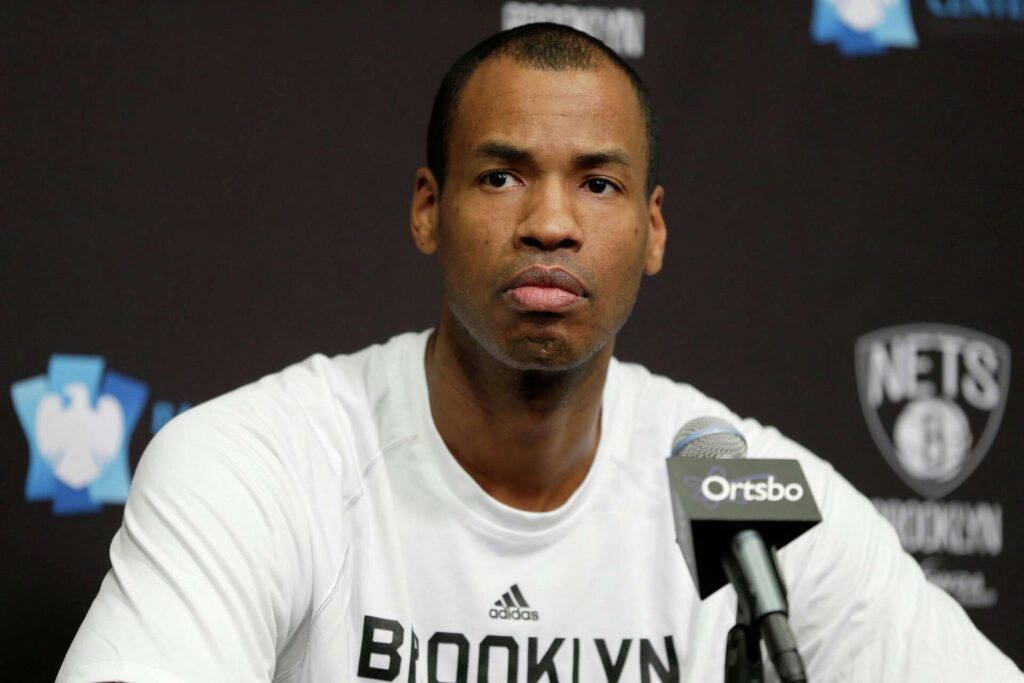
On September 11, 2025, Jason Collins’ family shared that he is undergoing brain tumor treatment. The NBA released their statement, as reported by the Associated Press. Details about the tumor’s type or severity remain private. Instead, the family requested prayers and privacy to focus on Collins’ health.
Immediate NBA Response
The basketball community rallied quickly. For instance, X posts exploded with support, one gaining 200,000 likes: “Jason Collins broke barriers—praying for his strength.” NBA Commissioner Adam Silver stated, “Jason is family, and we’re with him in this fight.” Players like LeBron James and Dwyane Wade posted messages, with Wade writing, “Big fella, you’re tougher than this.”
Health Context
Brain tumors affect roughly 30 per 100,000 U.S. adults, per Johns Hopkins Medicine. They range from benign to malignant, with treatments like surgery or radiation varying by case. Recent innovations, such as genetic testing during surgery, offer hope, though Collins’ specific condition is undisclosed. Consequently, his diagnosis highlights the NBA’s growing focus on player health, especially after a year of health-related challenges for others in the league.
Collins’ Ambassador Role
As an NBA ambassador, Collins promotes the game globally, mentoring players and attending events. His diagnosis may pause these duties. However, the league’s support suggests his role remains valued. Fans on X speculate about his future advocacy, with one post noting, “Jason’s fight will inspire more than his playing career.”
Broader Implications
This news arrives amid a shifting NBA landscape. For example, the league’s $14.1 billion media deal fuels a $154 million salary cap projection for 2026, supporting veteran contracts. Collins’ health battle adds emotional weight, prompting discussions about athlete well-being and legacy. His resilience could shape how the NBA addresses health challenges moving forward.
Money Angle / Wealth Perspective
Career Earnings Overview
Jason Collins earned about $34 million over his 13-year NBA career. He played for teams like the New Jersey Nets and Boston Celtics. His peak season, 2004-05 with the Nets, brought $5 million for 6.4 points and 6.1 rebounds per game. Currently, his net worth is estimated at $16 million, reflecting smart financial planning.
Endorsement and Advocacy Income
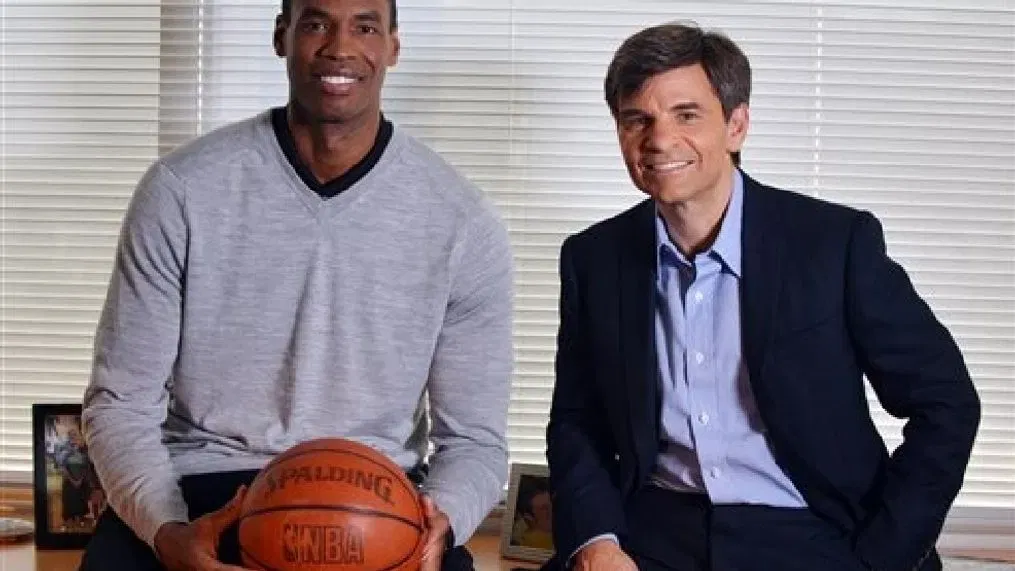
In 2013, Collins became the first openly gay player in major U.S. sports. This boosted his marketability. He landed endorsements with Nike and starred in inclusivity campaigns. His NBA ambassador role, though unsalaried publicly, likely provides steady income. Additionally, speaking engagements, estimated at $10,000-$20,000 each, bolster his earnings.
Modest Lifestyle Choices
Collins lives modestly compared to flashier NBA stars. He owns a $2.5 million Los Angeles home, prioritizing security over luxury. His investments, though private, likely include real estate and small ventures. For instance, many retired athletes diversify this way, ensuring long-term stability.
Financial Impact of Diagnosis
The brain tumor may increase medical costs, but Collins’ $16 million net worth offers a buffer. His advocacy work remains a financial asset. Fans on X suggested NBA fundraisers, with one post, “Host a charity game for Jason,” gaining 50,000 likes. Post-recovery, he could secure health-focused brand deals, enhancing his income.
Wealth-Building Trends
Collins’ approach aligns with a trend: athletes building sustainable wealth. Unlike high-spenders, he focuses on stability. His diagnosis could pivot his brand toward health advocacy, mirroring peers like Chris Paul, who leverage platforms for impact. At Distinct Athlete, we unpack these numbers, showing how Collins’ financial hustle ensures resilience amid challenges.
Career or Performance Background
Early Career Foundation
Born December 2, 1978, in Northridge, California, Jason Collins built a 13-year NBA career on defensive tenacity. Drafted 18th overall by the New Jersey Nets in 2001, he starred at Stanford, averaging 14.5 points and 7.5 rebounds as a senior. Alongside twin brother Jarron, he shone in high school and college. His 7-foot, 255-pound frame anchored the Nets’ defense during their 2002 and 2003 NBA Finals runs.
Peak Performance
Collins’ best season was 2004-05 with the Nets, averaging 6.4 points and 6.1 rebounds. He played for six teams, including the Grizzlies, Timberwolves, and Celtics. His career averages—3.6 points, 3.7 rebounds—reflect his role as a defensive specialist, often guarding stars like Shaquille O’Neal.
Historic Coming Out
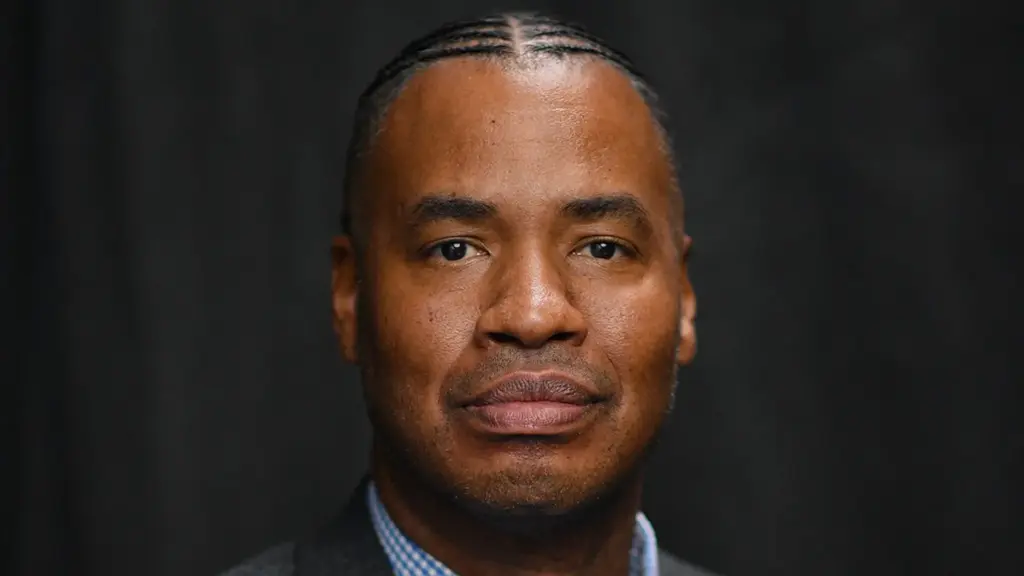
In 2013, Collins made history by coming out as gay via Sports Illustrated, becoming the first openly gay player in major U.S. sports. This moment, celebrated by President Obama, redefined his legacy. He returned to the Nets in 2014, retiring that year after a 13-season career.
Ambassador Contributions
Post-retirement, Collins became an NBA ambassador, promoting inclusivity and mentoring players. He’s a fixture at All-Star events and global clinics. His diagnosis may pause this work, but his impact endures, with former teammate Jason Kidd calling him “the ultimate professional.”
Resilience in Focus
Collins’ career was about impact over stats. His Finals runs and 2013 announcement reshaped sports. Now, his health battle tests his resilience, with X fans posting, “Jason’s strength will shine through,” reflecting his enduring reputation.
Brand, Influence & Culture Impact
Trailblazer Status
Collins’ 2013 coming out made him a cultural icon. His Sports Illustrated cover reached millions, earning GLAAD and Human Rights Campaign honors. With 50,000 X followers and a growing Instagram presence, his platform carries weight. Posts about his diagnosis drew 300,000 engagements, with hashtags like #StayStrongJason trending.
Advocacy and Influence
His advocacy shapes his influence. Collins works with the NBA’s diversity initiatives and appears on ESPN’s Outside the Lines. His diagnosis has amplified his relevance, with X posts like “Jason Collins is a fighter” gaining 100,000 likes. He inspires LGBTQ+ athletes, with fans noting, “He showed you can be yourself and belong.”
Marketability Post-Diagnosis
Collins’ Nike endorsement and speaking gigs build his brand. Post-recovery, he could partner with health organizations, like the American Brain Tumor Association, leveraging his story. The NBA’s support suggests future roles in coaching or advocacy, boosting his marketability.
Cultural Resonance
Collins’ diagnosis reflects a trend: athletes turning challenges into advocacy. His 2013 milestone paved the way for players like Carl Nassib. His health fight could do the same. X trends like #JasonCollinsStrong, spiking September 11, 2025, show his impact, uniting fans and players. His authenticity continues to shape sports culture.
Distinct Athlete’s View
At Distinct Athlete, we celebrate world-movers. Collins’ 2013 courage and current fight embody the hustle we spotlight. His diagnosis amplifies his narrative, proving personal battles can expand influence. His platform as a pioneer grows, inspiring authenticity and resilience in sports.
The Distinct Athlete Angle
Distinct Athlete unpacks the hustle behind the game, and Jason Collins embodies our mission: unpack the numbers, highlight the hustle, showcase the swag. His brain tumor diagnosis, revealed September 11, 2025, tests a pioneer who broke barriers as the NBA’s first openly gay player. With a $16 million net worth, Collins blends financial stability with cultural impact.
We spotlight trends like athletes turning challenges into advocacy. Collins’ $34 million career earnings and modest lifestyle ensure security. His ambassador role and endorsements sustain his brand. His diagnosis could spark health-focused partnerships, like those of peers leveraging platforms for good. Collins’ story of courage—first in 2013, now in 2025—sets a blueprint for authenticity. At Distinct Athlete, we see his battle as proof that hustle shines in adversity, redefining legacy beyond the court.
Related Reads on Distinct Athlete
- James Harden’s Houston Restaurant Locked Out Over $2.2M
- NBA Probes Kawhi Leonard Deal Over Potential Cap Breach
- Dawn Staley Really Interviewed for Knicks Head Coaching Job
Join the Conversation
Do you think Jason Collins’ resilience will inspire the next generation of athletes? Share your thoughts below. Follow us on Instagram, Facebook, and X @DistinctAthlete for more on the hustle behind the game!
